
Changing Your Machining Coolant? Check What Happens in the Parts Washer
A factory changes its machining coolant to improve tool life, surface finish or operating costs. The machining trials go well, and the new fluid enters production. Later, parts leaving the washer begin showing a film that was not there before.
The cleaning cycle has not changed. Neither has the component. But the material arriving on its surface has.
A coolant or lubricant change can alter what the cleaning process needs to remove. Before approving the switch, manufacturers should follow representative parts through washing, rinsing, drying and the next operation. That provides a more complete assessment than machining performance alone.
Understand the residue the new fluid leaves
Metalworking fluids serve several purposes, including cooling, lubrication and corrosion protection. The film remaining on a component can therefore be intentional during one stage of production and unacceptable at another.
Master Fluid Solutions explains that water-miscible fluids leave residue as water evaporates, and that the residue’s behaviour depends on its composition and the manufacturing conditions. Its technical guidance also identifies hard-water reactions as a possible source of water-insoluble deposits. A fluid described as water-miscible should not automatically be assumed to leave a residue that rinses away easily.
Ask the fluid supplier about recommended removal methods and compatibility with the existing cleaner. Share the component material, cleaning method and requirements of the following operation.
Obtain the technical data sheet and safety information, but include actual production samples in the assessment. Documents alone cannot establish how the complete process will perform.
Establish a baseline before the change
Keep a record of how the current fluid behaves through the existing cleaning process.
Select representative components and record the machining-fluid concentration, material, time before washing, loading arrangement and cleaning conditions. Inspect the result using the method already accepted for that product.
Where practical, retain identified samples or inspection records from the current process. These give the team a reference when assessing the proposed fluid.
Without a baseline, a discussion about whether the new parts feel “slightly oily” can become difficult to resolve. Measured results and comparable samples make the decision clearer.
Include the time parts spend waiting
A freshly machined component may reach the washer within minutes during a trial. In production, it might wait through a shift change or remain in a bin over the weekend.
That delay deserves testing.
Use parts carrying the new fluid and compare the normal transfer time with a realistic longer hold. Keep storage conditions representative of the factory, and record whether the residue remains wet, becomes tacky or dries onto the surface.
Consider a hypothetical aluminium housing that cleans successfully immediately after machining but retains a film after an overnight hold. Before changing the washing cycle, the team needs to establish whether the delay is responsible and how often it occurs.
An approval based only on freshly machined samples could miss that operating condition.
Test the existing cleaning process first
Run an initial comparison using the established cleaning recipe, within its approved limits. This shows whether the current process already meets the requirement with the new fluid.
Keep component type, loading and other relevant conditions comparable. Examine recesses, threads, internal passages and contact areas as well as accessible outer faces.
If results deteriorate, investigate systematically. Review cleaner concentration using the supplier’s specified measurement method, actual bath temperature, treatment time and the condition of the cleaning solution. Avoid adjusting several variables together, which makes the cause of any improvement difficult to identify.
Cleaning-chemistry manufacturers distinguish between formulations for different oils, materials and processes. For example, KYZEN describes cleaners formulated for both water-soluble and insoluble machining residues, with application-specific operating recommendations. That illustrates why cleaner selection needs to consider the incoming contamination as well as the equipment.
Ralsonics’ RalChem cleaning range similarly covers different washing applications. A chemistry review should start with the actual residue, component material and machine that will run it.
Watch how the bath behaves over repeated loads
One successful batch establishes only part of the picture.
As more fluid enters the washer, observe whether there are changes in foaming, surface oil, deposits, cleaning consistency or rinse carryover. Record the processed quantity and bath condition alongside inspection results.
Check any oil-separation equipment too. A skimmer can collect oil that separates and reaches the surface; it should not be assumed to remove all contamination held within the cleaning solution. Likewise, particle filtration does not establish that dissolved or emulsified contamination has been removed.
KYZEN’s product information, for example, explicitly identifies de-emulsification as a property of one machining-residue cleaner. Such properties are formulation-specific and should be confirmed for the selected process.
Include the existing bath-maintenance routine in the trial. The new fluid may be acceptable under that routine, or the evidence may justify different monitoring or changeover criteria.
Check rinsing and the finished surface separately
A part can leave the wash stage with the machining residue removed and still carry unwanted material after rinsing and drying.
Inspect at more than one point in the sequence. This helps distinguish incomplete washing from rinse carryover, drying marks or contamination introduced during handling.
In a multistage ultrasonic cleaning system, evaluate the complete sequence with the intended production load. Check rinse condition using a suitable monitoring method and assess the final surface against the agreed requirement.
Where an inspection identifies a film, investigate what it contains before deciding which stage needs adjustment. The remaining material could include machining-fluid residue, cleaning chemistry or another contaminant.
Follow the component into its next operation
The acceptance check should reflect what happens after cleaning.
For components going into coating or adhesive bonding, include the relevant downstream performance test. For parts entering precision assemblies, assess the specified particle and residue requirements. For components held in storage, examine corrosion protection and the condition after a representative hold.
An intentional protective film may be useful between manufacturing stages but incompatible with a later surface-treatment requirement. State which condition is required at the point of release.
Visual inspection can identify obvious films and stains, but it may need support from a validated residue-analysis or application-specific test. Choose the method with the quality team and customer requirements in view.
Approve the fluid change across the process
Before releasing the new fluid, bring the findings together: machining performance, cleaning results, rinse behaviour, material compatibility, downstream performance and any change in operating cost.
Document the approved fluid, concentration range, transfer conditions, cleaning recipe, loading arrangement and inspection method. Record any revised maintenance requirements so the next shift can reproduce the result.
A coolant change does not automatically require new cleaning equipment. The review should establish whether the current system can meet the requirement consistently and what, if anything, needs adjusting.
At Ralsonics, we assess cleaning equipment and chemistry around the components and contamination involved. If you are changing a machining fluid or investigating a new residue problem, share the fluid details, representative parts, current washing conditions and acceptance criteria with our team.
Explore RalChem cleaning chemicals and our cleaning systems, or Contact Us to discuss your process.
Relevant equipment
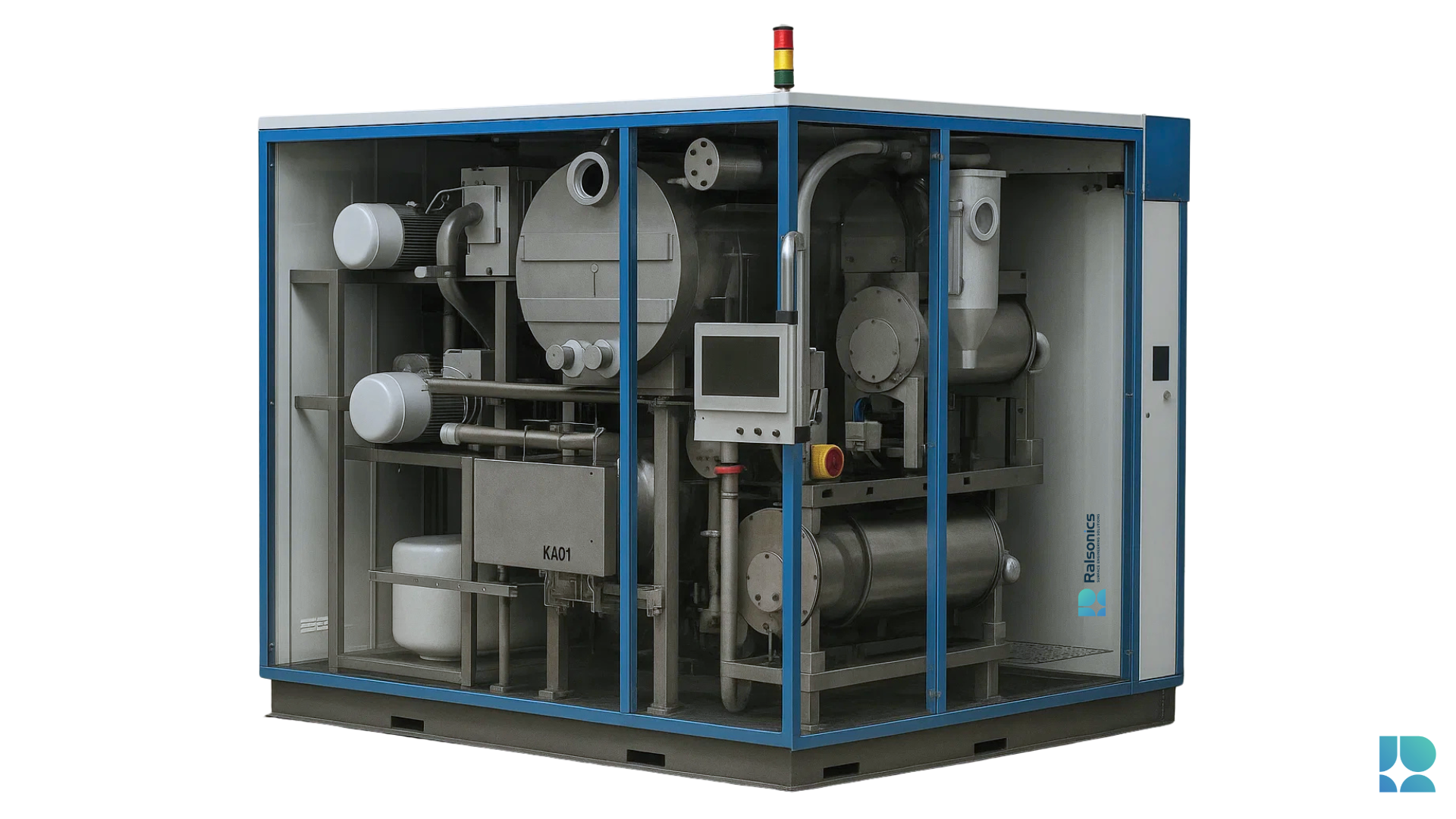
Vapor Degreaser
Remove grease from complex parts using solvent vapour.
Explore product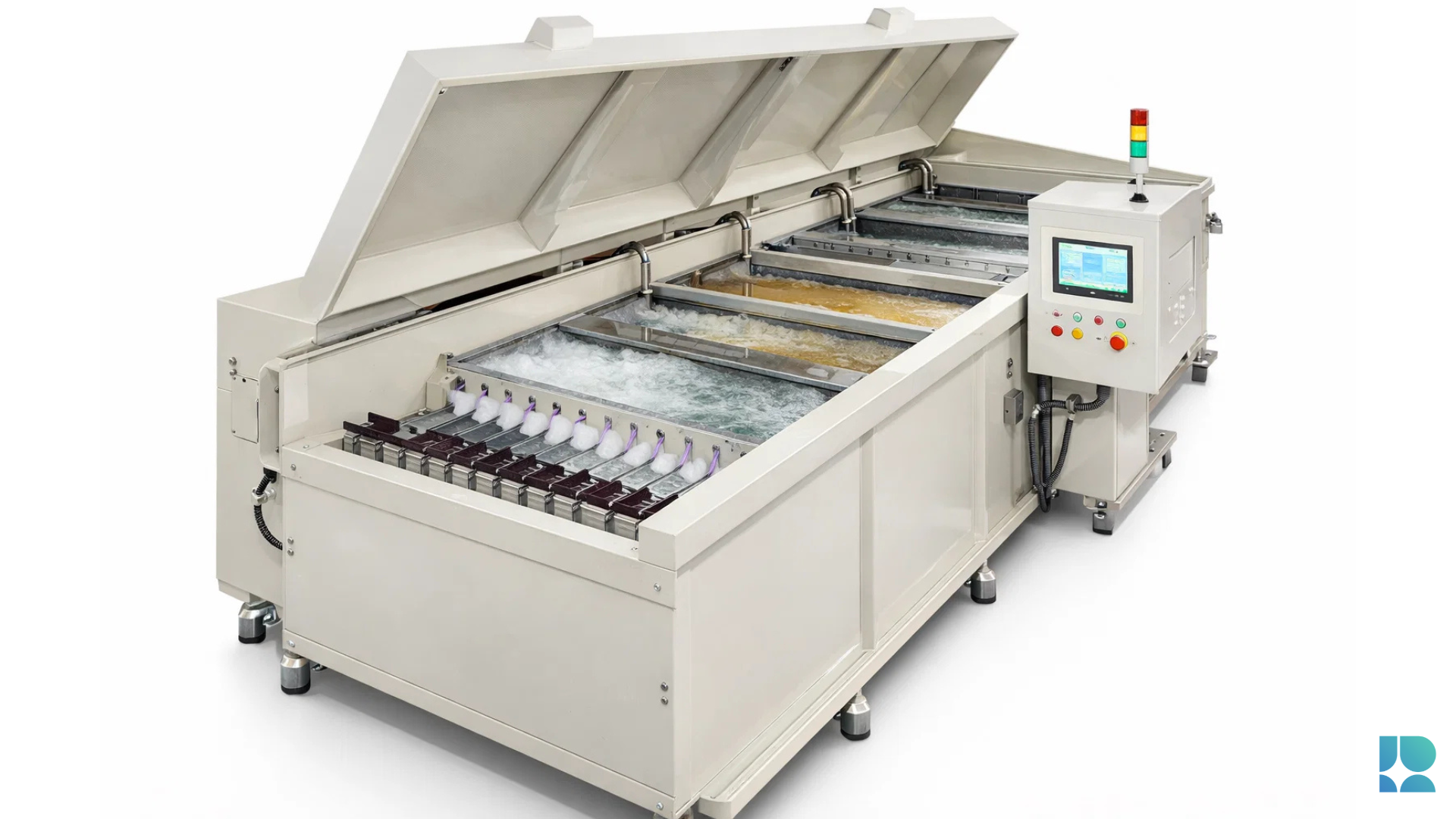
Electrolytic Cleaning Equipment
Prepare metal surfaces with electrochemical cleaning.
Explore product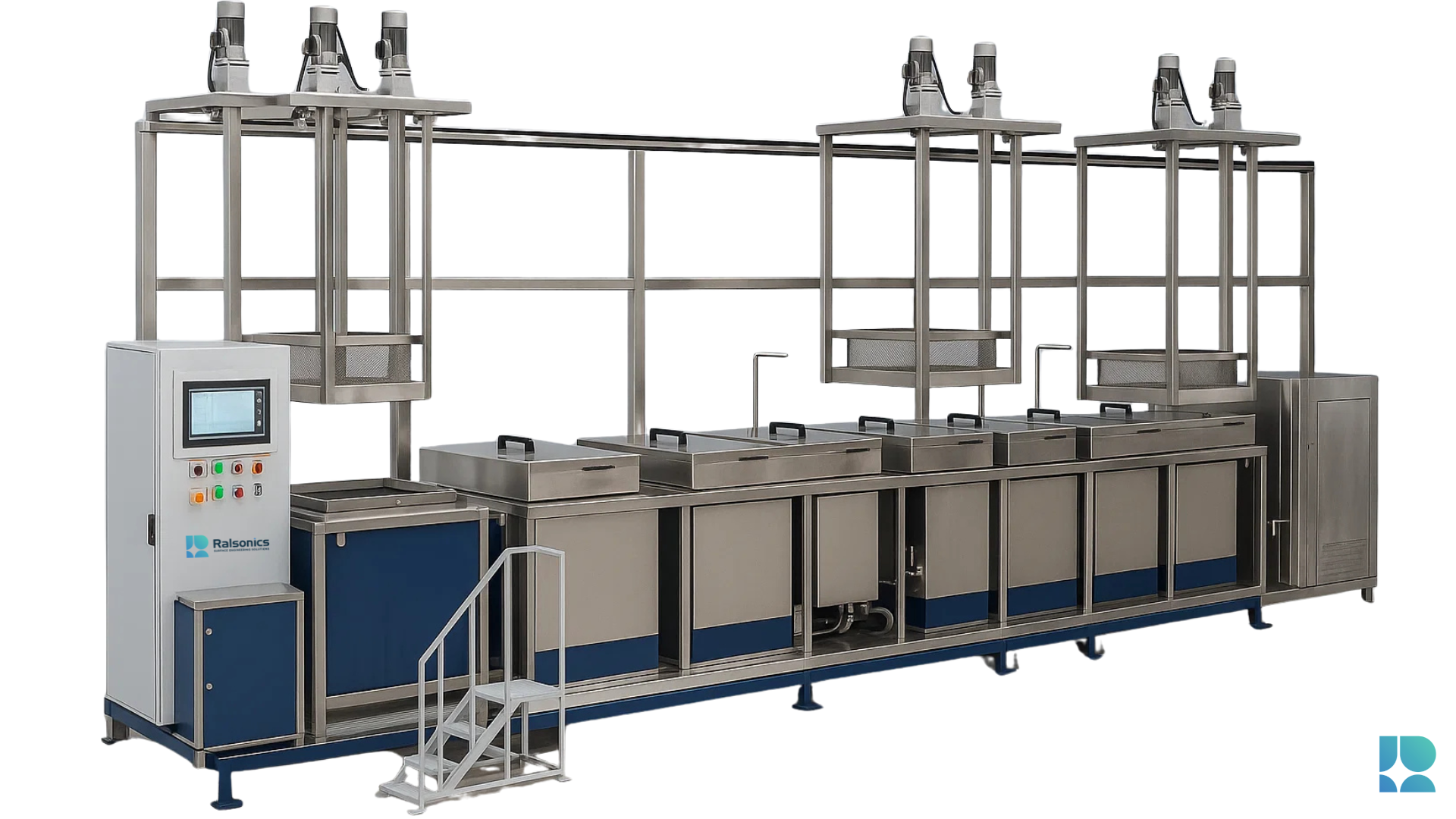
Custom Industrial Ultrasonic Cleaning Machines
Need a different configuration? Talk to us about a custom ultrasonic cleaner.
Explore product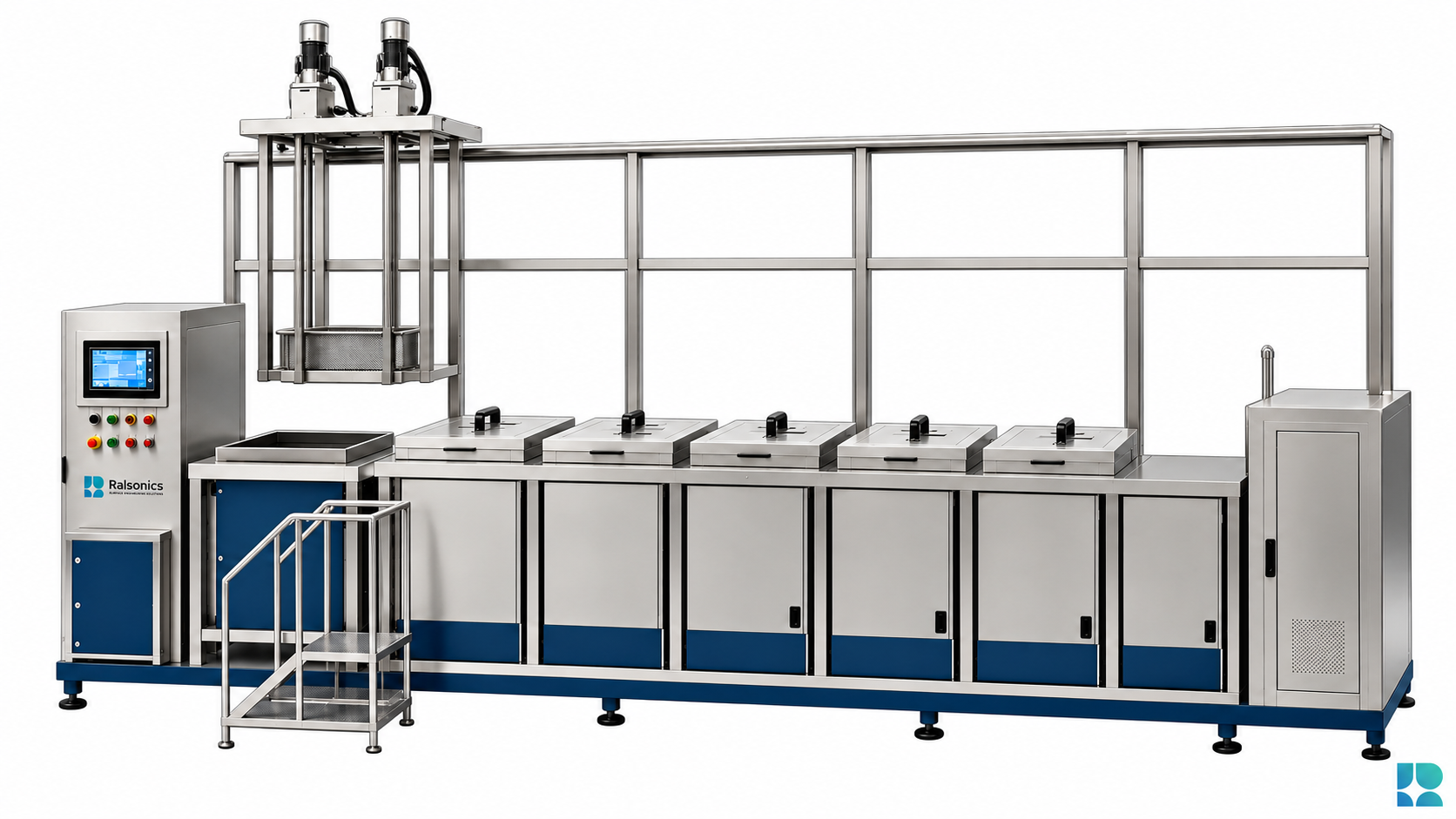
Multistage Cleaning Equipment
Bring cleaning, rinsing and drying into one system.
Explore product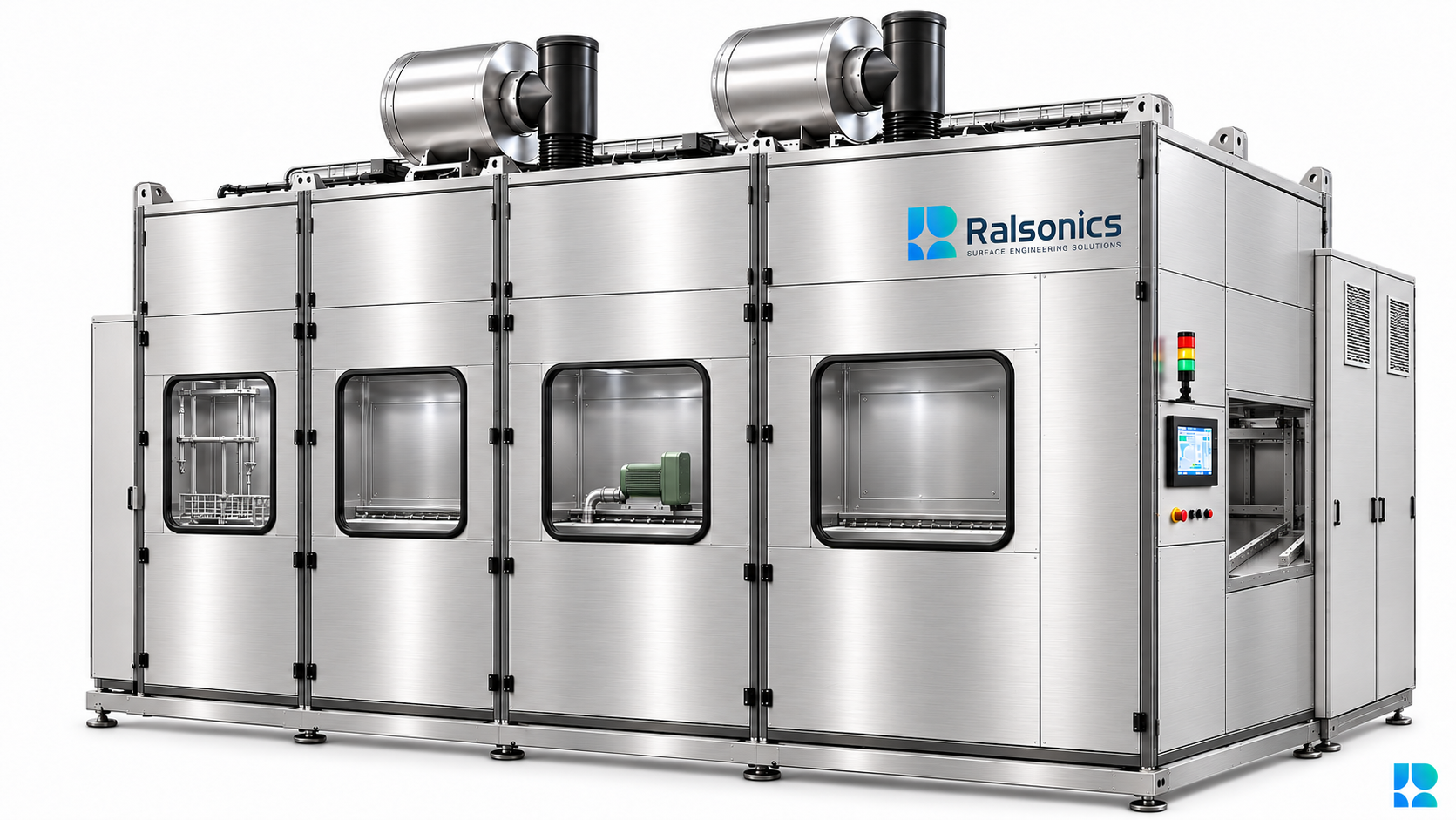
Multistage Ultrasonic Cleaners
Bring ultrasonic cleaning, rinsing and drying into one system.
Explore product