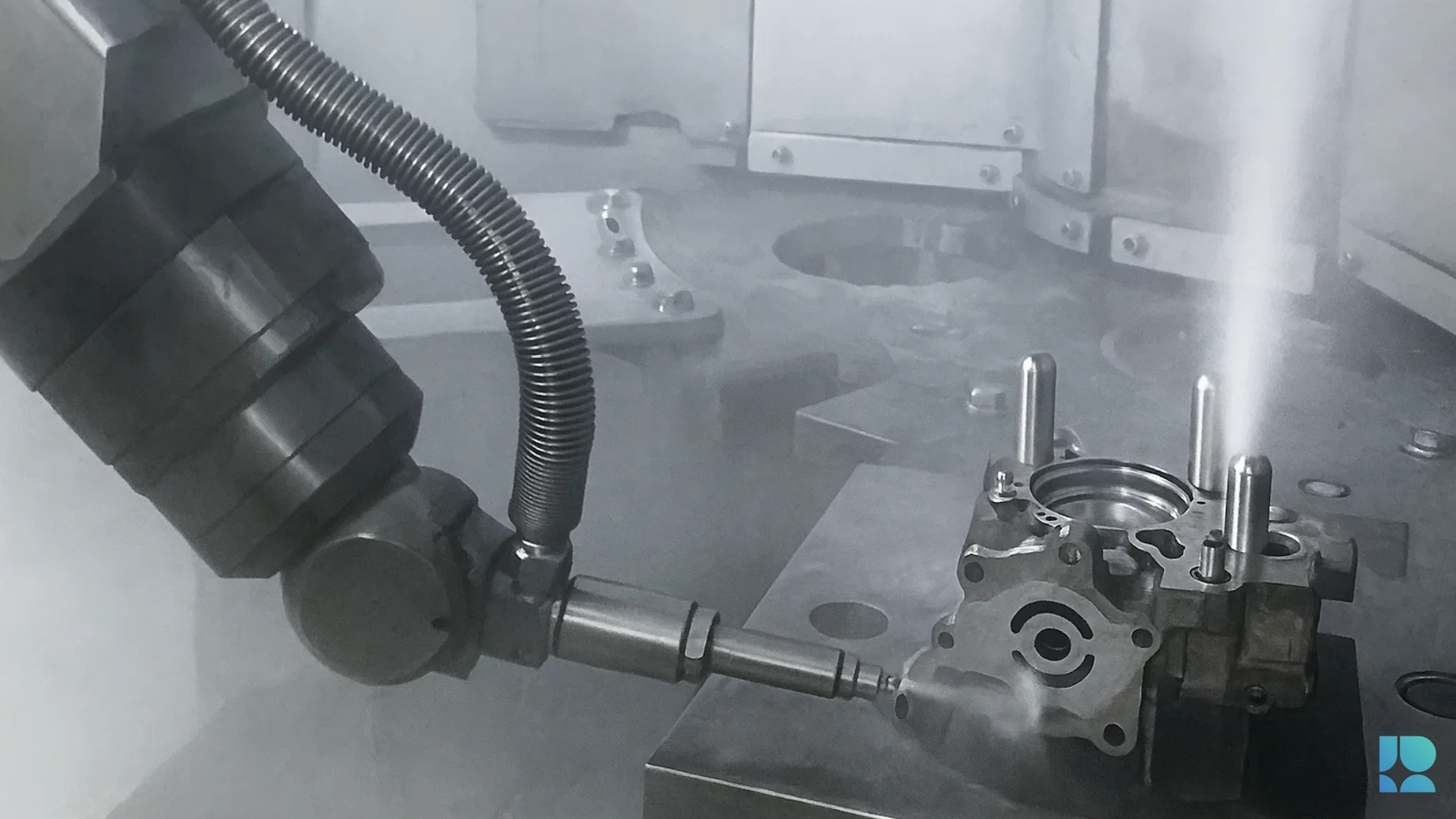

Why Stainless Steel Parts Need Passivation After Machining and Fabrication
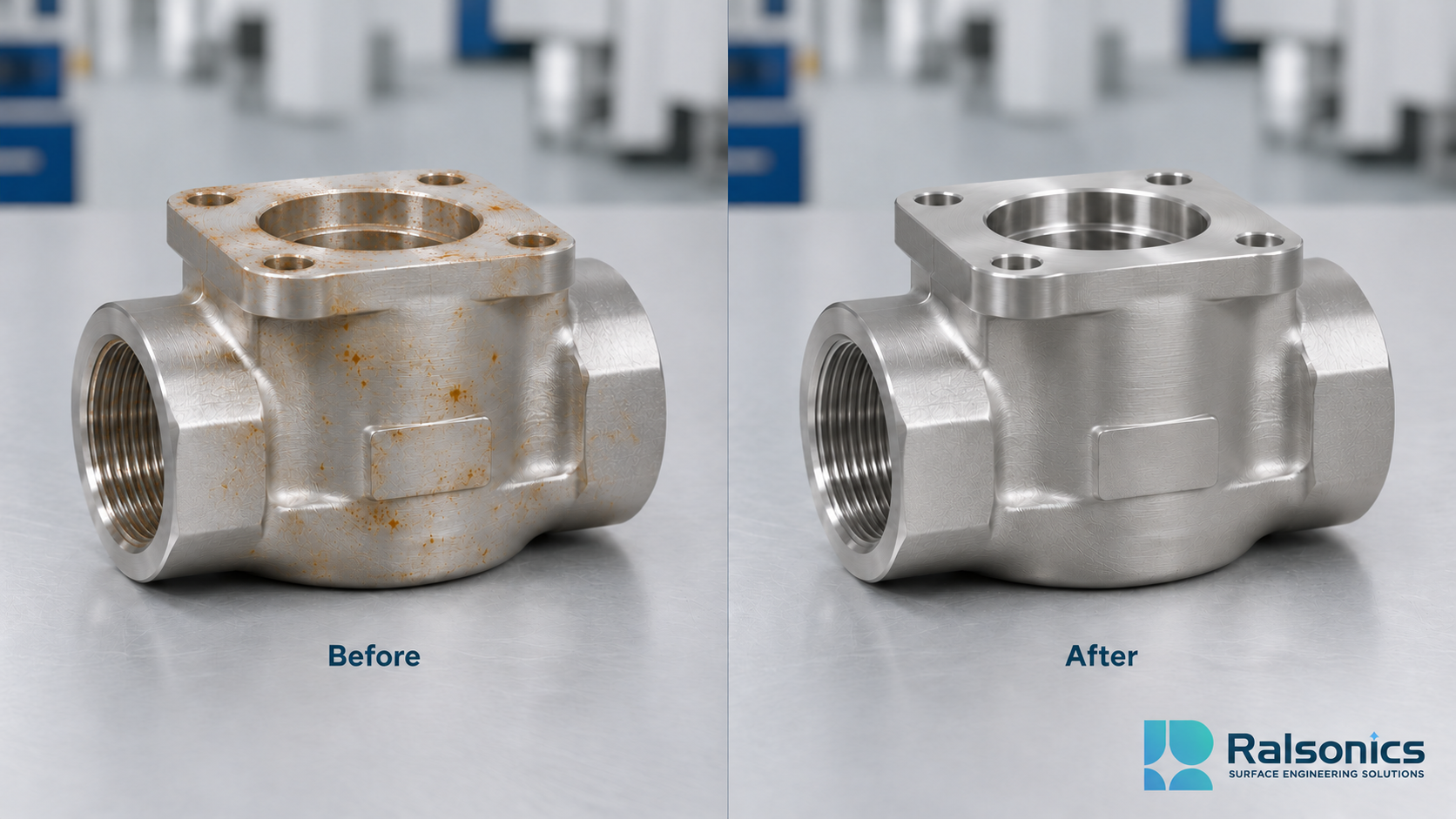
A stainless steel component can leave the machine shop with the correct dimensions, a smooth finish and the right material certificate, yet develop rust-coloured spots before it reaches the customer.
The first question is often whether the wrong material was supplied. That deserves checking, but the investigation should also examine what happened to the surface during manufacturing.
Cutting, grinding, welding and handling can leave contamination or alter the surface condition. Passivation is one treatment used to address that condition before the component enters service. Specifying it properly starts with understanding what fabrication has left behind.
What gives stainless steel its corrosion resistance?
Stainless steel develops a thin, chromium-rich passive film when its surface encounters suitable oxidising conditions. This film provides much of its corrosion resistance and can reform after damage when conditions allow.
Manufacturing can complicate that behaviour. Contact with carbon steel tools, contaminated abrasives or shared work surfaces can introduce iron contamination. Welding can produce heat tint and a chromium-depleted region beneath the oxide.
These conditions require attention even when the component’s bulk material meets specification. Euro Inox’s guidance on pickling and passivation explains how surface preparation helps stainless steel achieve its intended corrosion resistance after fabrication.
What does passivation actually do?
Chemical passivation removes contaminant iron and supports the formation of a passive surface on properly prepared stainless steel. It does not apply a thick protective coating, and the finished component may look much the same afterwards.
ASTM A967/A967M covers several treatment options, including nitric-acid and citric-acid immersion processes. Selection depends on the stainless steel grade, component condition and governing specification. The standard also provides alternative tests for assessing treatment effectiveness.
For a manufacturer, “passivate after machining” therefore needs further definition. The drawing, purchase order or process specification should establish the applicable requirements, treatment route and acceptance method.
Passivation also has limits. It cannot compensate for an unsuitable material grade, eliminate a poorly designed crevice or guarantee resistance to every chemical environment.
Check what needs removing before treatment
A part carrying machining oil, polishing compound or weld scale needs preparation suited to those conditions.
Oil and grease can prevent treatment solutions from reaching the underlying surface. Weld heat tint and scale may require pickling or another qualified removal method before the specified passivation process. Routine passivation should not be assumed to remove them.
Euro Inox distinguishes pickling, which removes surface material and associated oxide, from passivation. Its guidance also emphasises cleaning oily or greasy surfaces before acid treatment.
A practical incoming review should record the material grade, manufacturing operations, visible surface condition and likely contamination. Photographs of welds, discoloured areas and persistent stains can help the finishing team determine what preparation is needed.
For example, a machined valve body carrying cutting fluid presents a different starting condition from a welded pipe assembly with visible heat tint. Sending both through an identical sequence without reviewing those differences leaves important assumptions untested.
Build the process around the complete component
The treatment needs to reach the surfaces covered by the requirement.
Blind holes, threaded connections, narrow passages and overlapping features can complicate filling, rinsing and drainage. Fixtures and tightly packed loads can create additional restrictions.
During development, check how components enter the bath, whether cavities retain air, and whether the loading arrangement permits solution exchange. Then follow the parts through rinsing and drying.
Ralsonics’ surface treatment plants combine stages such as cleaning, rinsing, pickling, passivation and drying within a controlled workflow. The required stages and handling arrangement should be established around the actual application.
A useful trial includes representative components, normal production loading and the features most difficult to access. Small, uncomplicated samples provide limited evidence for approving a complex production assembly.
Agree on acceptance before processing the batch
A bright finish cannot establish that passivation was effective. Appearance remains useful for identifying visible damage, staining or residue, but the inspection plan needs to answer the requirement stated by the customer.
ASTM A967/A967M describes qualitative tests aimed particularly at contaminant iron and other foreign matter. Options include water immersion, humidity exposure and chemical detection methods. The applicable test must be selected with regard to the material, specification and its restrictions; the listed methods are alternatives rather than a universal instruction to perform every test.
Before approving production, agree on:
- The governing specification and edition.
- The material grades and component variants covered.
- The required test, sampling plan and acceptance criteria.
- Inspection locations, including relevant internal surfaces.
- Records needed to identify the treatment lot and results.
Passing a specified passivation test establishes evidence within that test’s scope. It should not be presented as proof of unlimited corrosion resistance in service.
Treat rinsing and drying as part of the job
The component still needs to leave the process without unacceptable chemical residue or retained liquid.
Review rinse access to internal features and establish how rinse condition will be monitored. Check drainage from threads, recesses and fixtures before selecting the drying cycle.
For suitable components, hot-air drying can form part of the sequence. More difficult geometries may warrant evaluation of vacuum drying. Suitability should be demonstrated with the actual material, load and required outcome.
Keep the checks for surface cleanliness and dryness distinct from the passivation acceptance test. A batch may need to satisfy all three requirements before release.
Prevent the next operation from undoing the work
After treatment, review where the components go.
Clean parts placed on a contaminated bench, handled with unsuitable tools or returned to dirty packaging can acquire fresh contamination. If further machining, grinding or welding takes place, assess whether the newly affected surfaces require additional treatment.
Practical controls include designated handling equipment, suitable packaging and clear identification of processed batches. Where rust-coloured spots recur, investigate the route through production and storage rather than assuming another treatment cycle will resolve the cause.
Specify passivation around the application
The same questions are useful across precision engineering, food-processing equipment, pharmaceutical manufacturing, medical components and aerospace supply chains: what surface condition is required, which process can achieve it, and what evidence will confirm the result?
At Ralsonics, we develop cleaning and surface treatment equipment around component geometry, contamination, production volume and process requirements. If you are planning a passivation line, share your material grades, drawings, incoming surface condition and acceptance specification with our team.
Explore our surface treatment systems or contact us to discuss the cleaning, treatment, rinsing and drying stages your application needs.
Relevant equipment
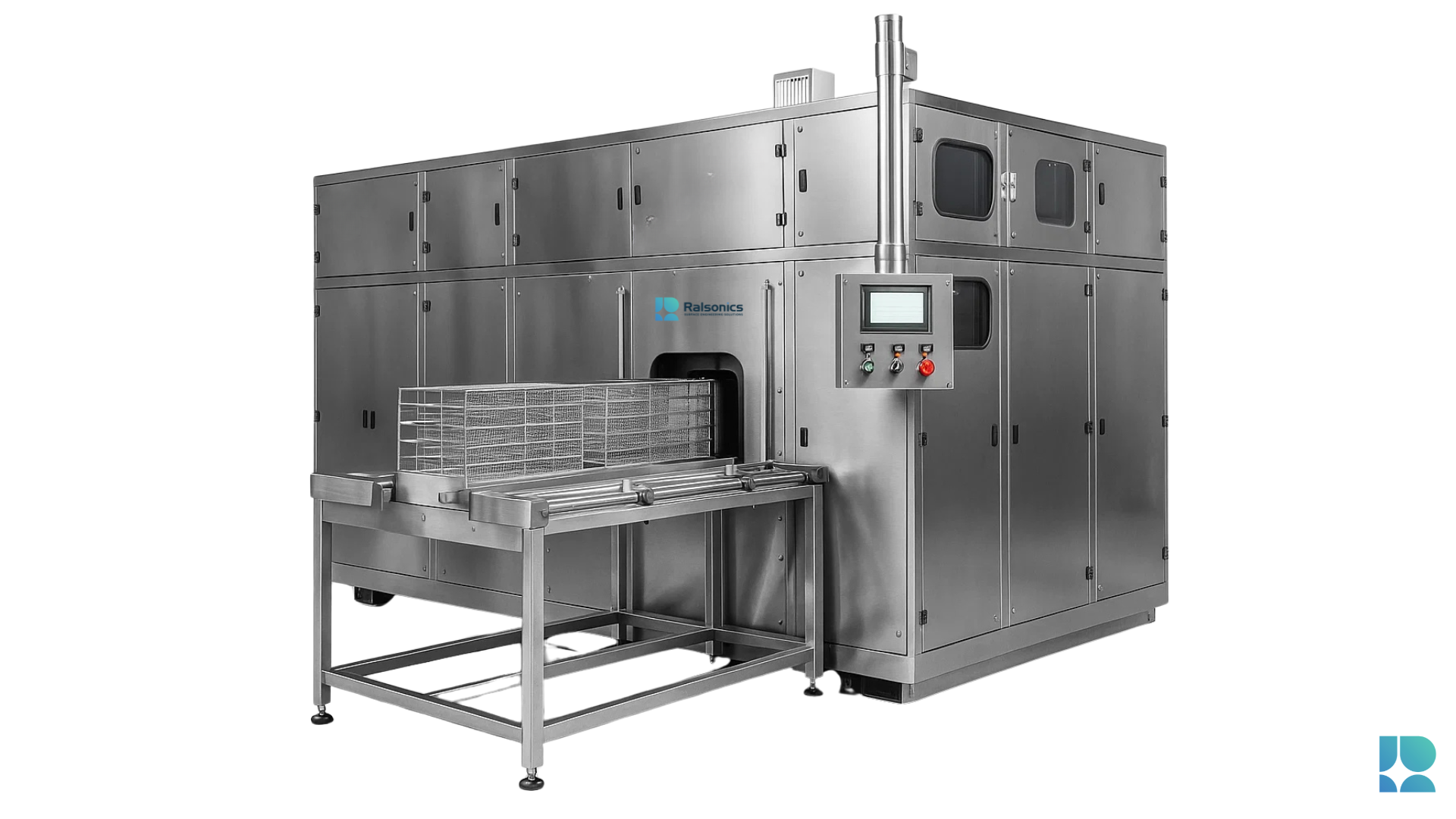
Single Chamber Multiprocess Cleaning Systems
Wash, rinse and dry your components in one sealed chamber.
Explore product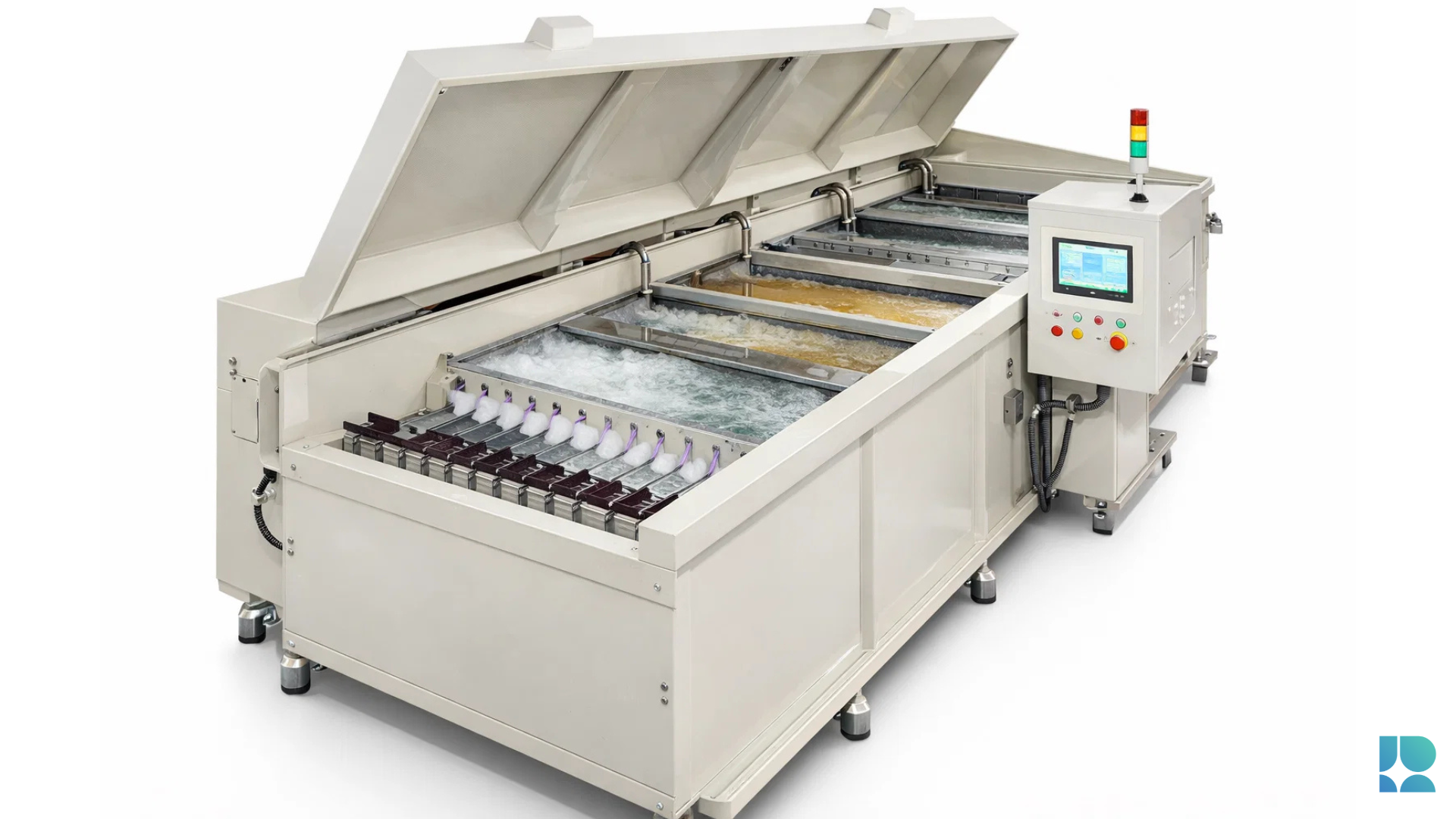
Electrolytic Cleaning Equipment
Prepare metal surfaces with electrochemical cleaning.
Explore product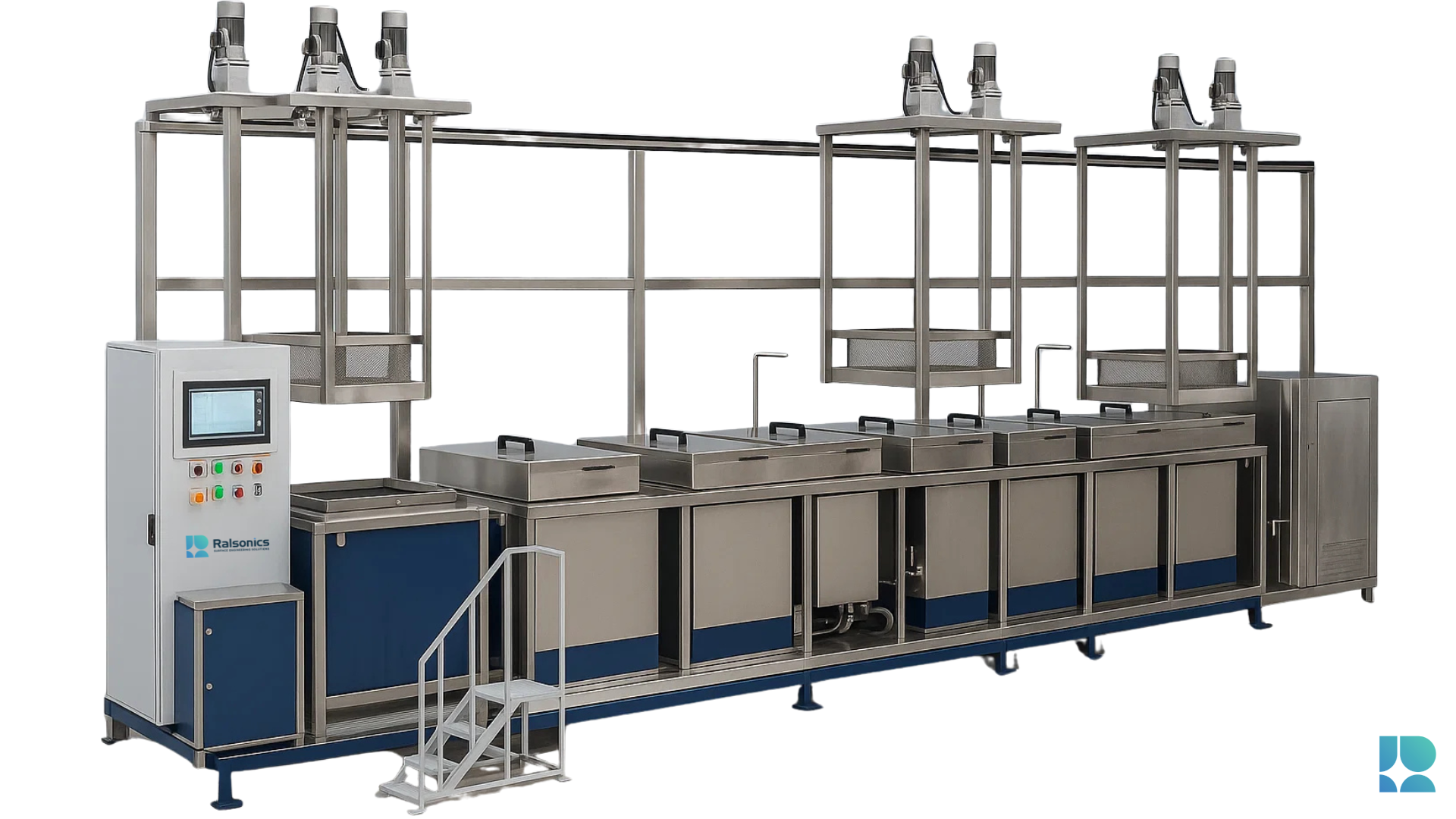
Custom Industrial Ultrasonic Cleaning Machines
Need a different configuration? Talk to us about a custom ultrasonic cleaner.
Explore product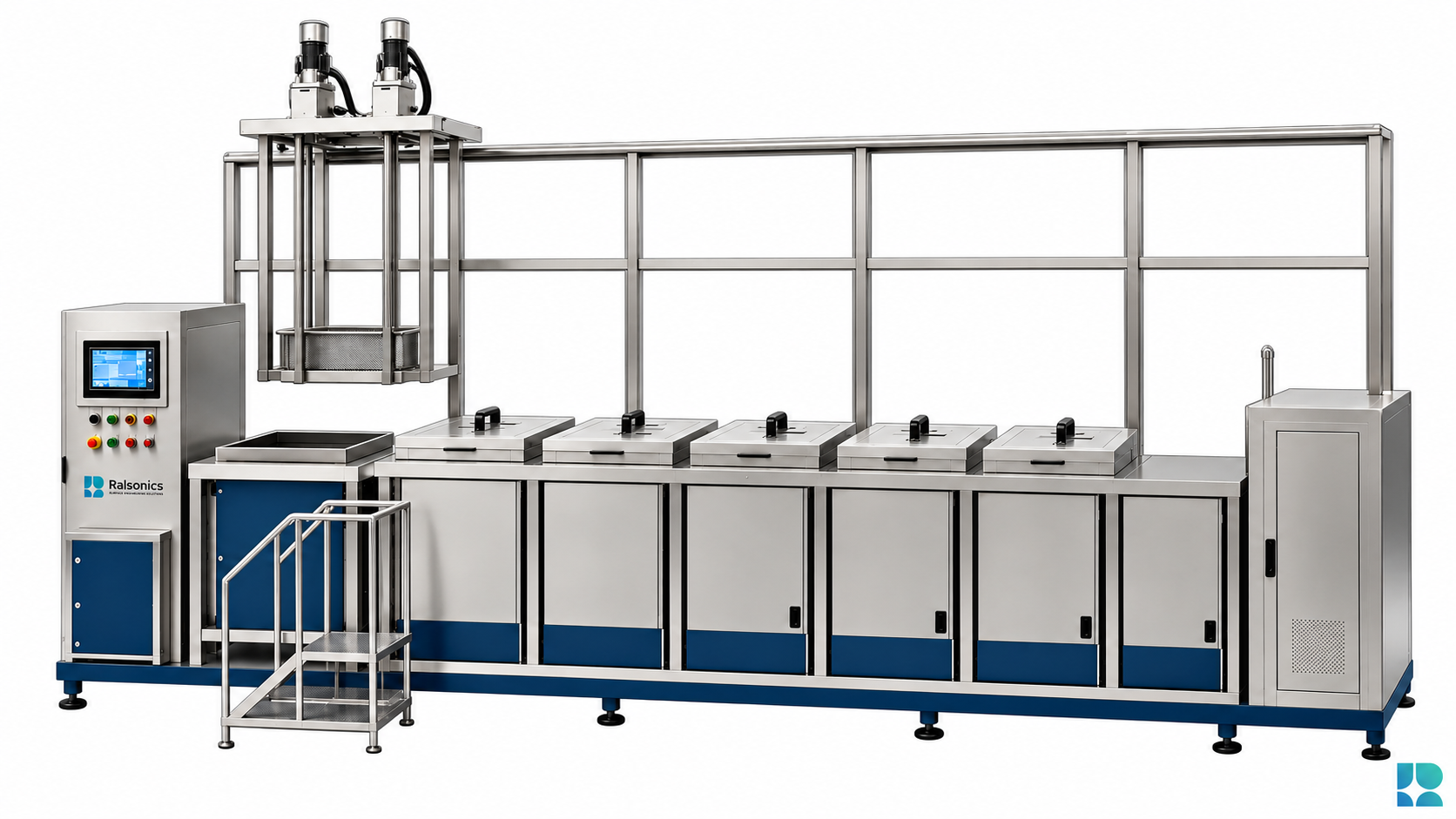
Multistage Cleaning Equipment
Bring cleaning, rinsing and drying into one system.
Explore product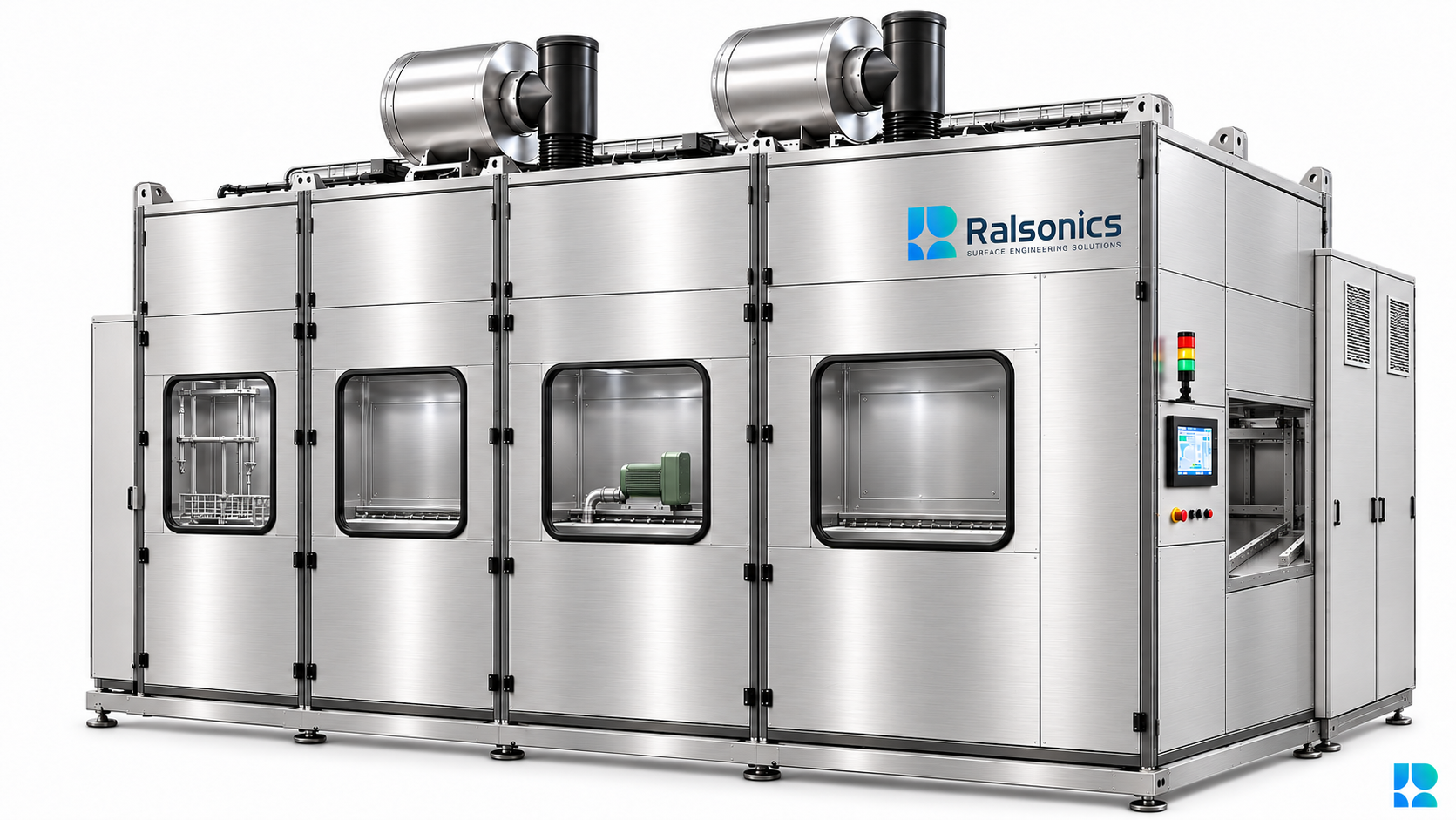
Multistage Ultrasonic Cleaners
Bring ultrasonic cleaning, rinsing and drying into one system.
Explore product