















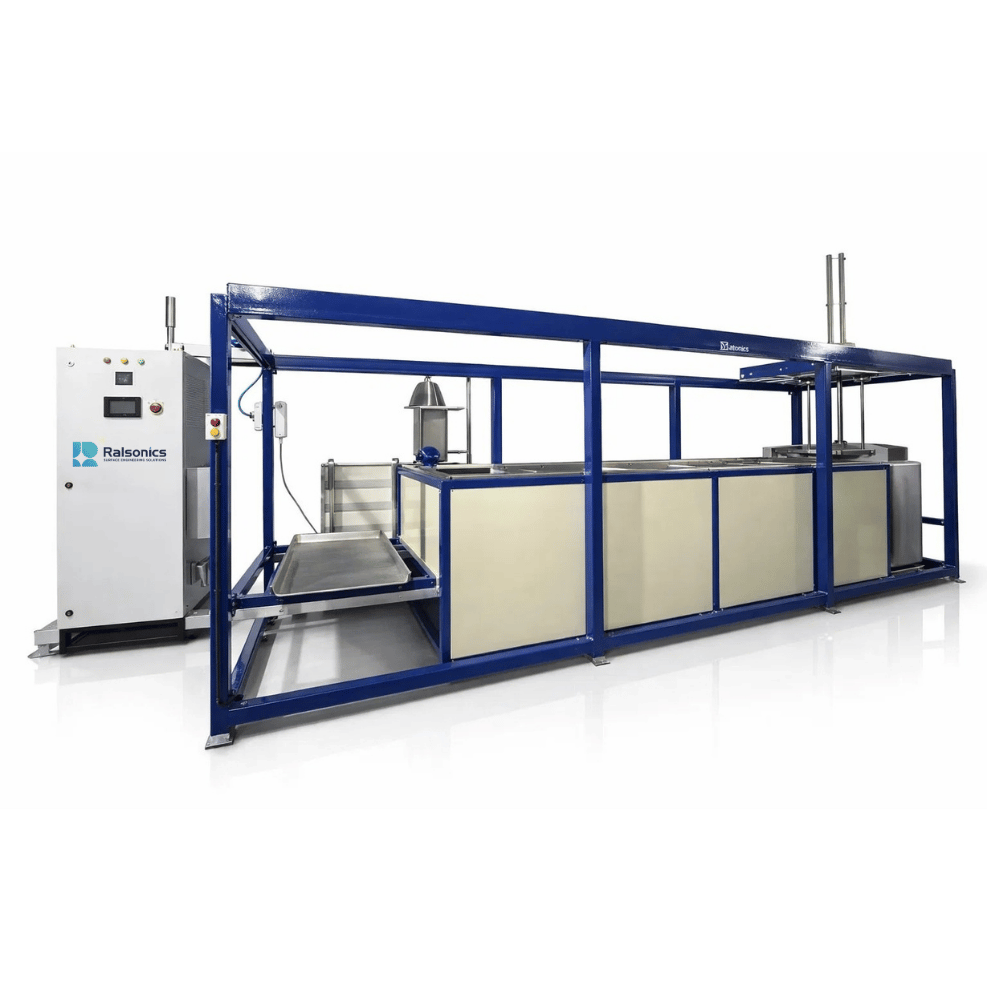
The Role of AI & IoT in Smart Industrial Cleaning Systems

The Role of AI & IoT in Smart Industrial Cleaning Systems

The Rise of Automation in Industrial Cleaning

As industries move towards greater automation, cleaning processes are no exception. Traditional industrial cleaning methods often require significant manual intervention, leading to inefficiencies, higher costs, and inconsistent results. The integration of Artificial Intelligence (AI) and the Internet of Things (IoT) is revolutionizing industrial cleaning, making it smarter, more efficient, and highly adaptive to industry-specific needs.

How AI & IoT are Transforming Industrial Cleaning

AI and IoT-enabled cleaning systems leverage real-time data, predictive analytics, and automation to optimize performance. These technologies not only enhance cleaning efficiency but also minimize waste, reduce downtime, and improve regulatory compliance.

Key Technologies Driving Smart Industrial Cleaning

1. AI-Powered Predictive Maintenance

AI algorithms analyze data from cleaning equipment to predict potential failures before they occur. This reduces unplanned downtime, lowers maintenance costs, and extends the lifespan of cleaning machines. Predictive maintenance is particularly beneficial for high-tech industries where uninterrupted operations are critical.

2. IoT-Enabled Monitoring & Control

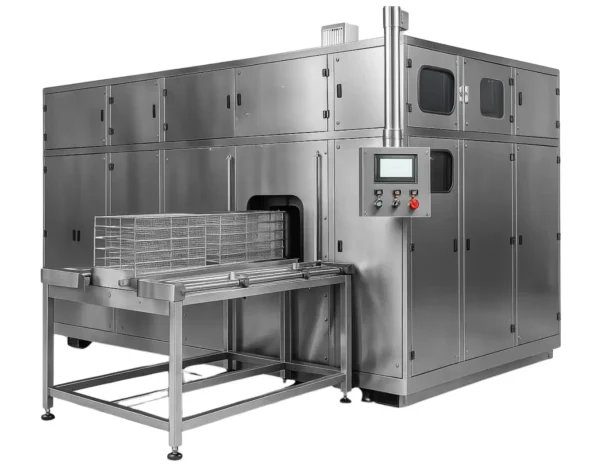
Ralsonics provides IoT-enabled monitoring and control solutions, ensuring real-time data tracking for optimal cleaning efficiency. IoT sensors embedded in industrial cleaning systems provide real-time data on factors such as detergent levels, temperature, pressure, and contamination levels. This data is transmitted to cloud-based platforms, allowing operators to monitor and adjust cleaning processes remotely.

3. Autonomous Cleaning Systems

AI-driven robotic cleaning systems eliminate the need for manual labor in hazardous or highly controlled environments. These robots use machine learning to adapt to different cleaning tasks, ensuring optimal cleaning efficiency without human intervention. They are widely used in industries such as food processing, pharmaceuticals, and semiconductor manufacturing.

4. Smart Energy & Resource Optimization

AI optimizes resource usage by analyzing cleaning cycles and adjusting parameters to minimize water, detergent, and energy consumption. This leads to more sustainable industrial cleaning processes while lowering operational costs.

5. Data-Driven Quality Assurance

With AI and IoT, every stage of the cleaning process is monitored in real-time, ensuring compliance with industry standards and regulatory requirements. The collected data can be used to generate automated reports, making audits more efficient and reliable.

Ralsonics provides IoT-enabled monitoring and control solutions, ensuring real-time optimization and efficiency in industrial cleaning systems.

Industries Benefiting from AI & IoT in Cleaning Systems

  • Semiconductor Manufacturing (link to semiconductor blog): Ensuring ultra-clean surfaces for wafers and microchips with minimal manual intervention. 
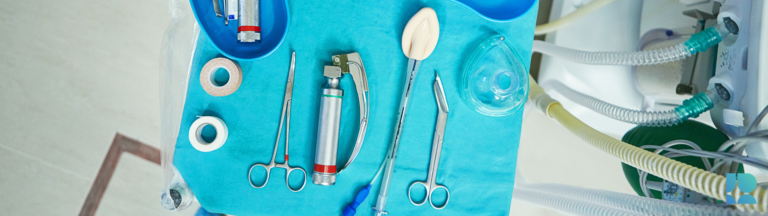
  • Medical Device Production (link to industry): Maintaining sterility and compliance with stringent health regulations.
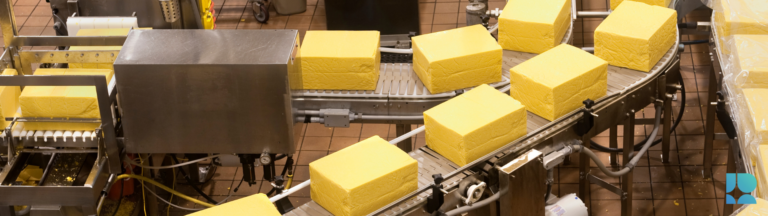
  • Food & Beverage Industry (link to industry): Automating cleaning-in-place (CIP) systems for hygienic production lines.
  • Automotive & Aerospace (link to industry): Enhancing cleaning efficiency for engine components and aircraft parts to ensure precision and reliability.

The Future of Smart Industrial Cleaning

The convergence of AI, IoT, and automation is reshaping the future of industrial cleaning. Emerging trends include:

  • AI-Driven Self-Optimizing Systems: Machines that adjust cleaning parameters automatically based on real-time contamination levels.
  • Blockchain for Cleaning Data Integrity: Securing and verifying cleaning records for industries requiring strict traceability.
  • Integration with Industry 4.0: Seamless communication between smart cleaning systems and other automated production processes.

Conclusion

AI and IoT are not just enhancing industrial cleaning—they are redefining it. By integrating smart technologies, industries can achieve greater efficiency, cost savings, and sustainability in their cleaning operations. Investing in AI and IoT-enabled cleaning systems is not just about maintaining cleanliness—it’s about future-proofing industrial operations for maximum productivity and compliance.

For insights on implementing AI & IoT-powered cleaning solutions in your industry, reach out to our experts today.

No Comments

Post A Comment

two × three =