

Engineering

Introduction

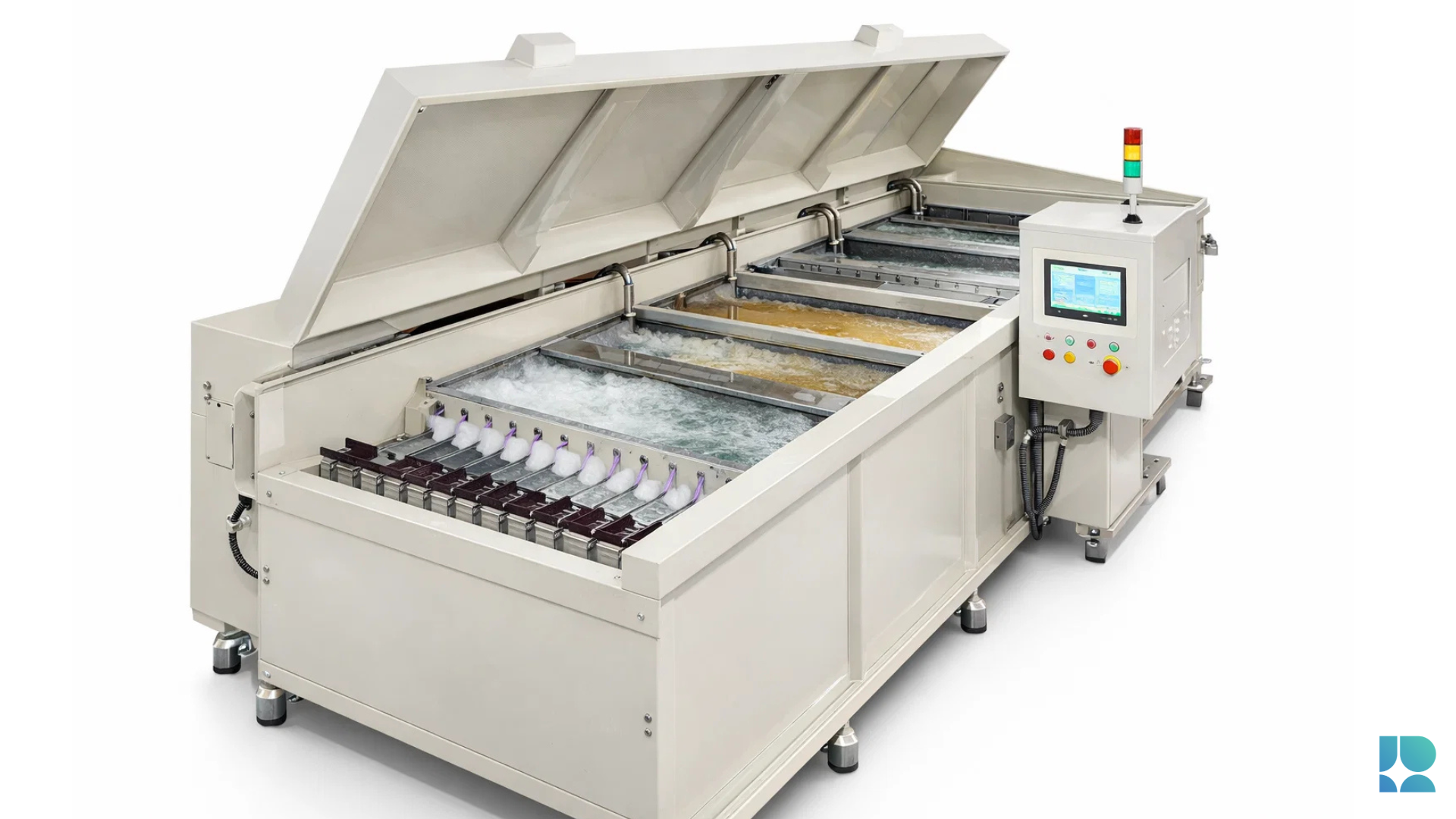
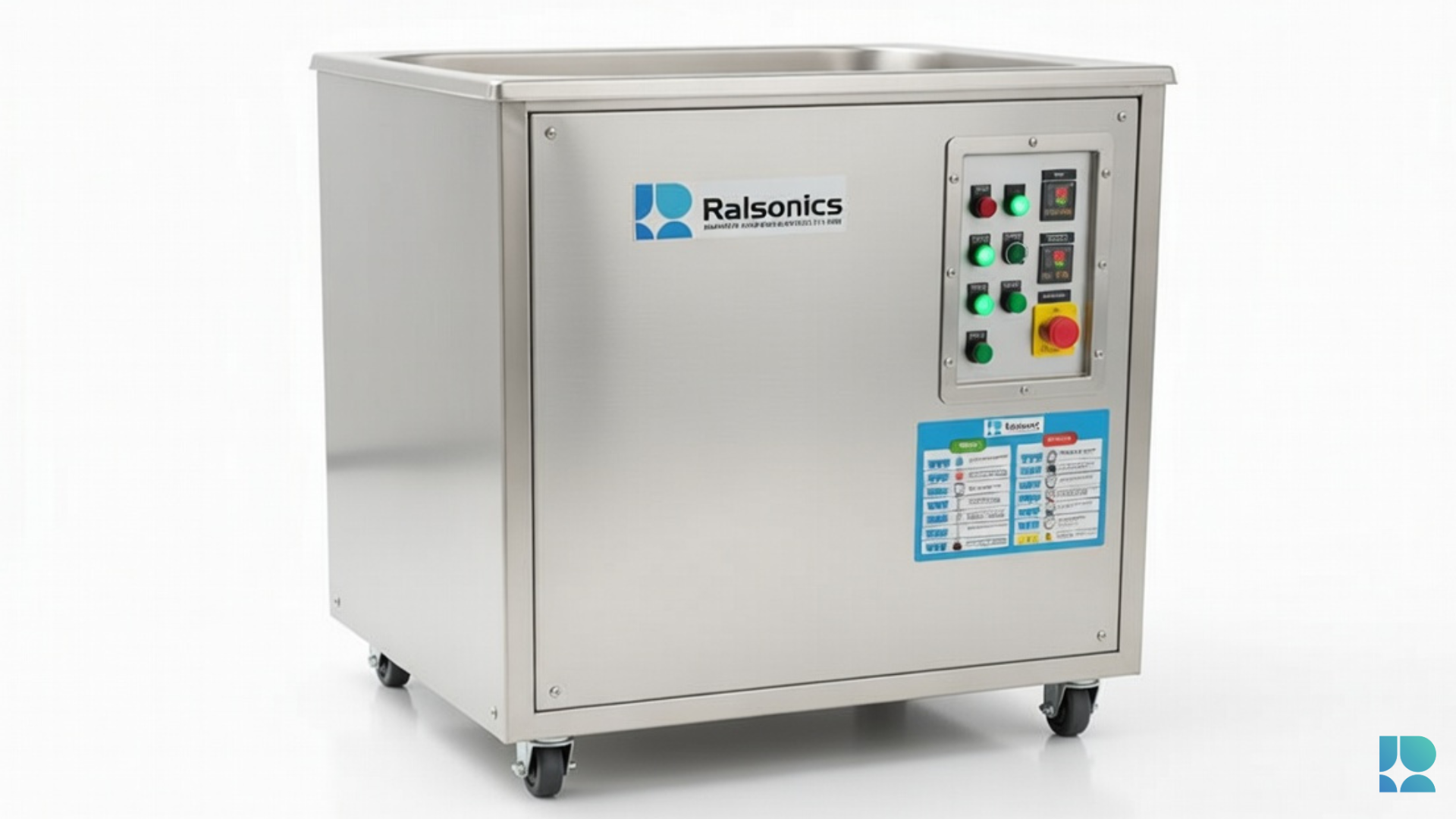
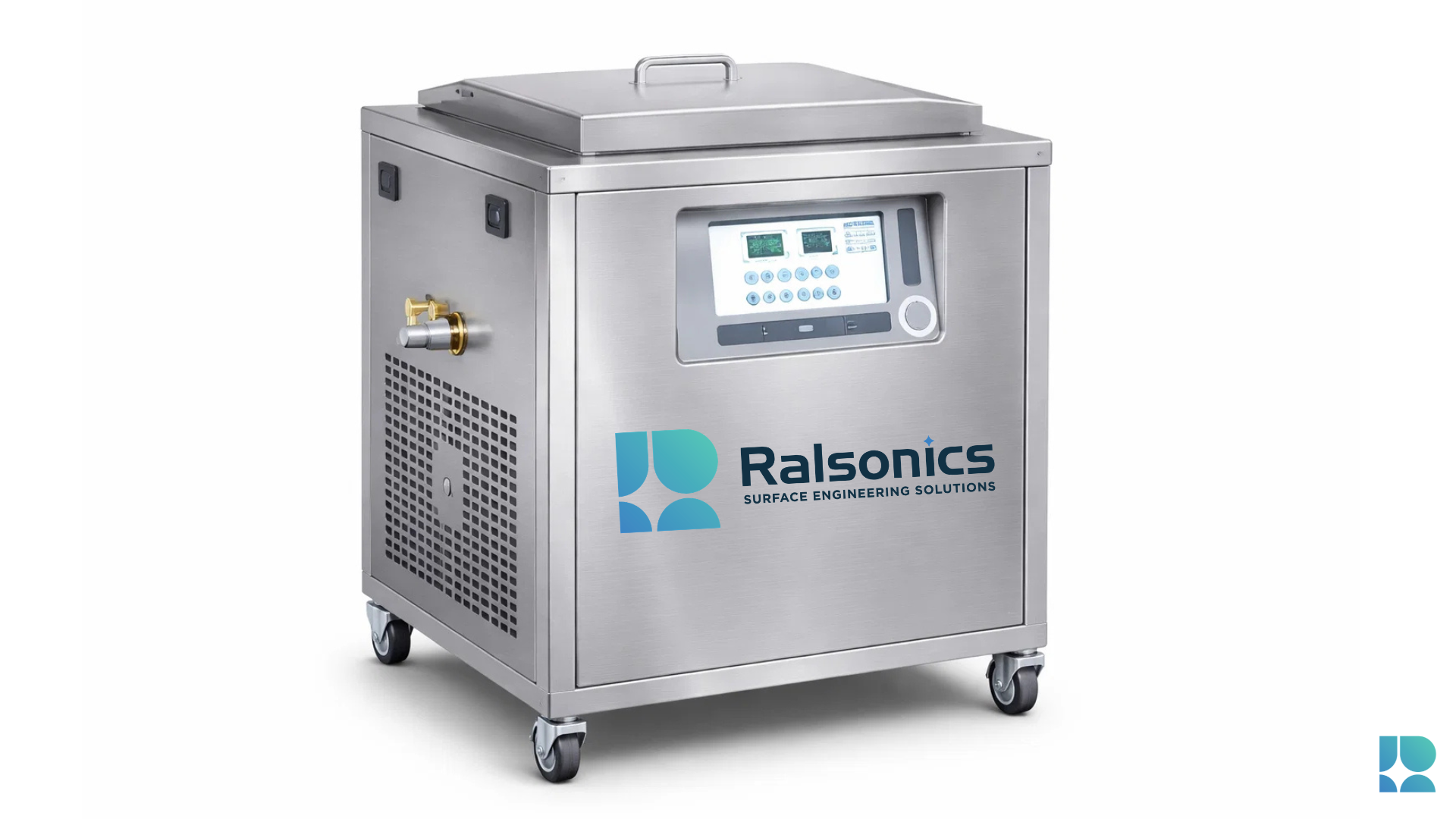
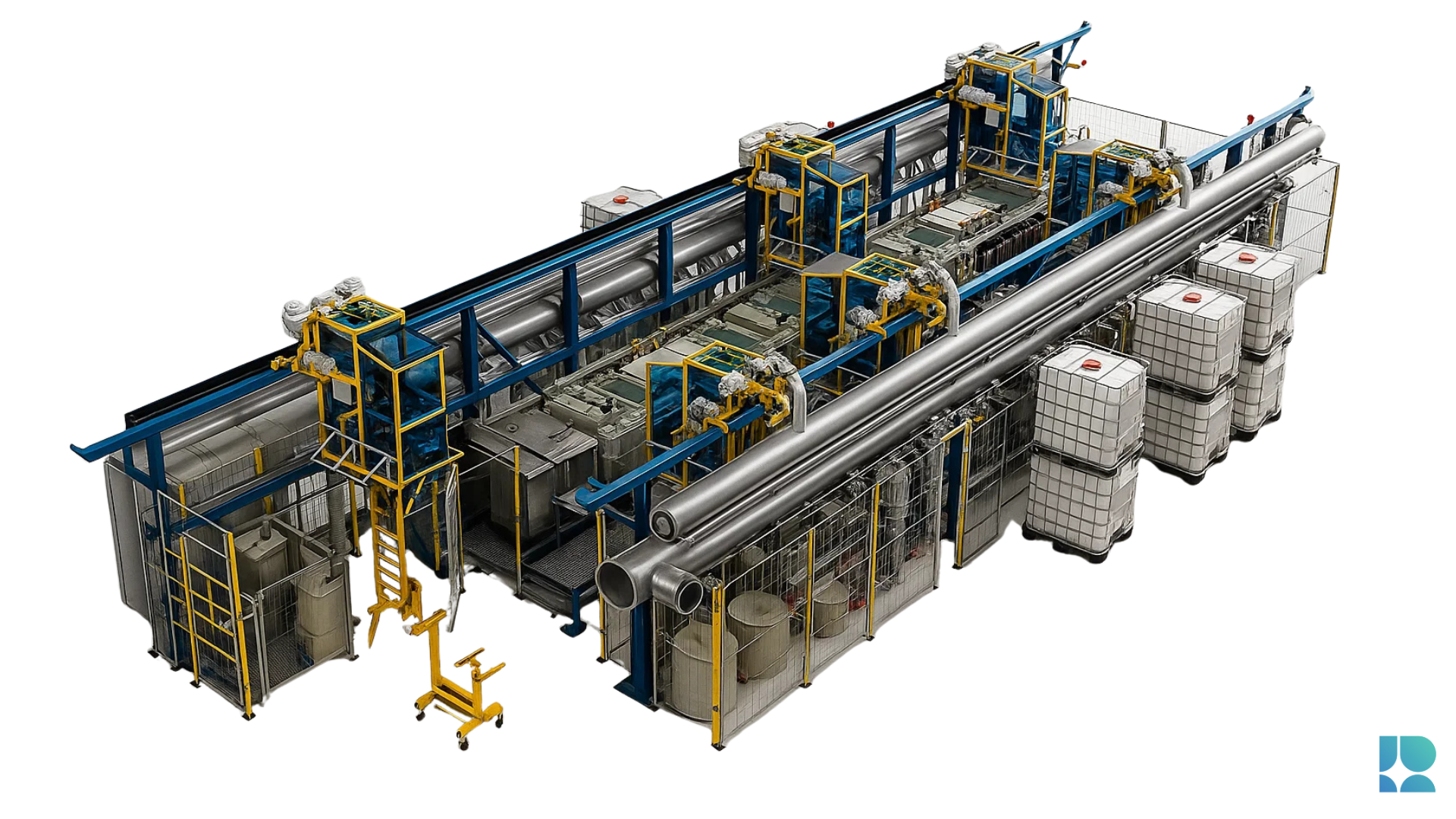
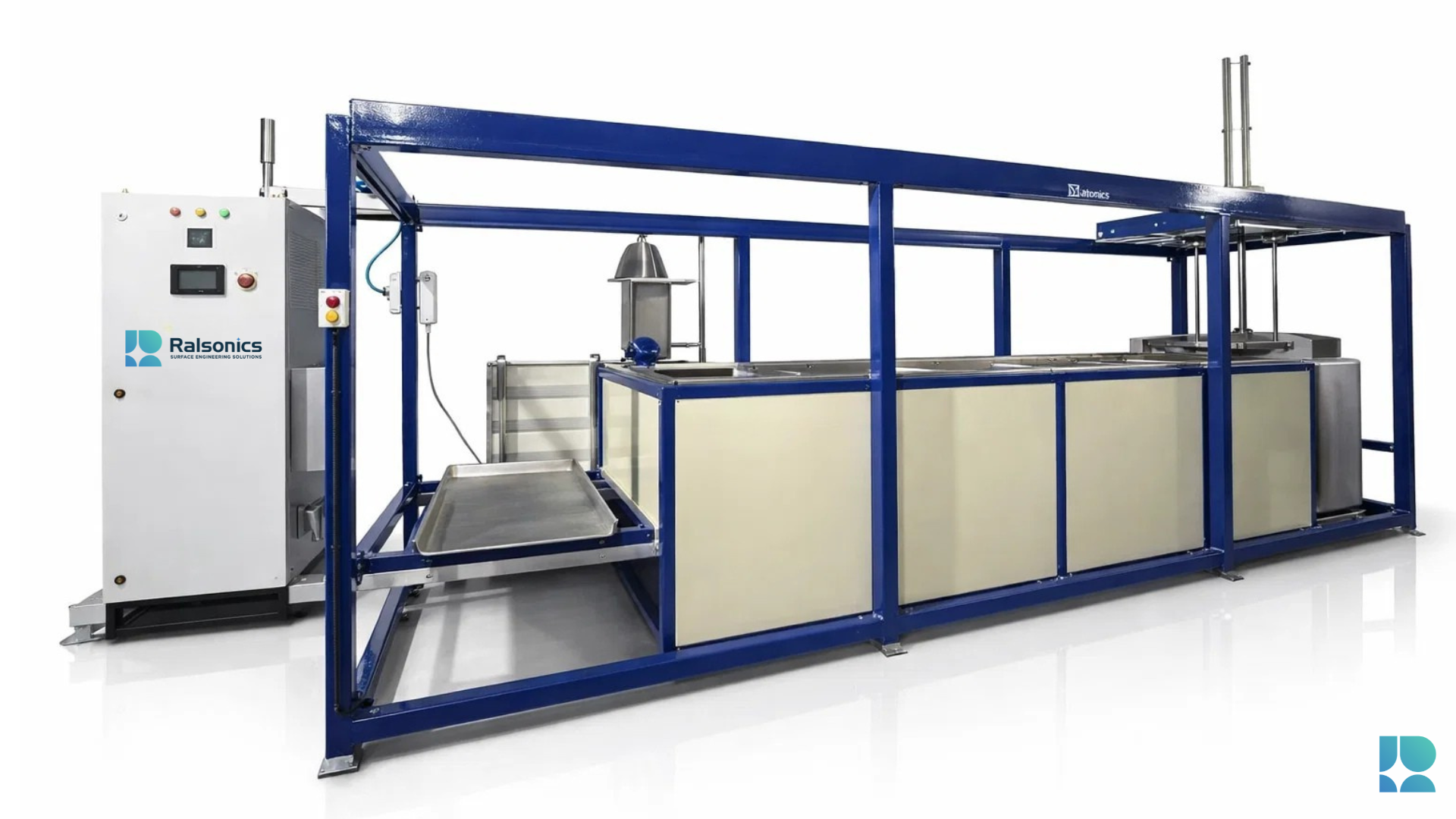
Ralsonics provides advanced ultrasonic cleaning machines engineered to clean complex parts, heavy-duty components, precision assemblies, and sensitive materials across mechanical, electrical, automotive, aerospace, power, and industrial engineering applications. With high-power transducers, customized tanks, and automated cleaning lines, Ralsonics ensures unmatched cleaning efficiency, reduced rework, and superior component life.

Engineering industry

Ultrasonic cleaning has become a critical technology across multiple engineering disciplines due to its ability to remove microscopic contaminants from complex parts without causing damage. Using high-frequency sound waves (typically 25–200 kHz), ultrasonic cleaners create intense cavitation bubbles that scrub surfaces, even inside blind holes, capillaries, intricate channels, threads, and internal geometries where manual or mechanical cleaning cannot reach.

 

Engineering industries rely heavily on precision, consistency, and reliability. Ultrasonic cleaning ensures that components remain contamination-free, improving performance, extending component life, and reducing failure rates.

“Electronics manufacturers in India use Ralsonics’ ultrasonic machines for PCB cleaning”

Why Engineering Industries Rely on Ultrasonic Cleaning

  • Removes stubborn dirt, oil, grease, metal filings, grinding paste, polishing compounds, and oxides
  • Cleans complex parts with internal cavities and micro-features
  • Ideal for pre-machining, post-machining, maintenance, and assembly stages
  • Reduces cleaning time and manual labor
  • Ensures precision and repeatability in manufacturing
  • Supports high-quality surface preparation before coating, bonding, welding, and inspection

Impact of Ralsonics’ automated cleaners in the engineering industry

Applications

Ultrasonic cleaning can be used for the following applications:

  • Pre-Cleaning, intermediate cleaning and final cleaning of new parts during manufacturing
  • Machined parts cleaning
  • Pre-cleaning for finishing applications like plating, anodized, coating etc
  • Thorough cleaning of oil, scale, dirt, grime, carbon
  • Oxygen line cleaning
  • Emission free degreasing
  • Cleaning of old parts for regular maintenance and repair
  • Fully automated cleaning and handling
  • Cleaning and drying pre- and post-dye penetrant examination
Here is a short list of parts that are typically cleaned using Ralsonics’ ultrasonic cleaners

Plastic injection molds

Ball bearings

Anilox rollers and sleeves

Rollers

Compressors

Sprinkler Heads

Extrusion dies and molds

Pumps

Tools

Punches

Adhesive gun components

Optics

Gears

Heat Exchangers

Rivets

Cutters

Measuring devices

Kitchen Sinks

Valves

Printing components

Fasteners

Conveyors

Watches

Kitchen Tools

FAQs

Ultrasonic Cleaning Equipment - FAQs
Because ultrasonic cavitation reaches internal channels, blind holes, micro-crevices, and complex shapes that traditional cleaning cannot access. This ensures deep, uniform cleaning without mechanical scrubbing.
No. Ultrasonic cleaning is non-abrasive and safe for metals, alloys, plastics, ceramics, and micro-machined components when used with proper frequency and chemical compatibility.
Yes. Cleaning removes harmful contaminants that cause premature wear, leakage, overheating, or malfunction, improving reliability and extending component life.

Blogs

Feel free to contact us for more details!