





















Spray Washing

High-Pressure Precision Cleaning — Tough on Contaminants, Gentle on Components.

Product Description

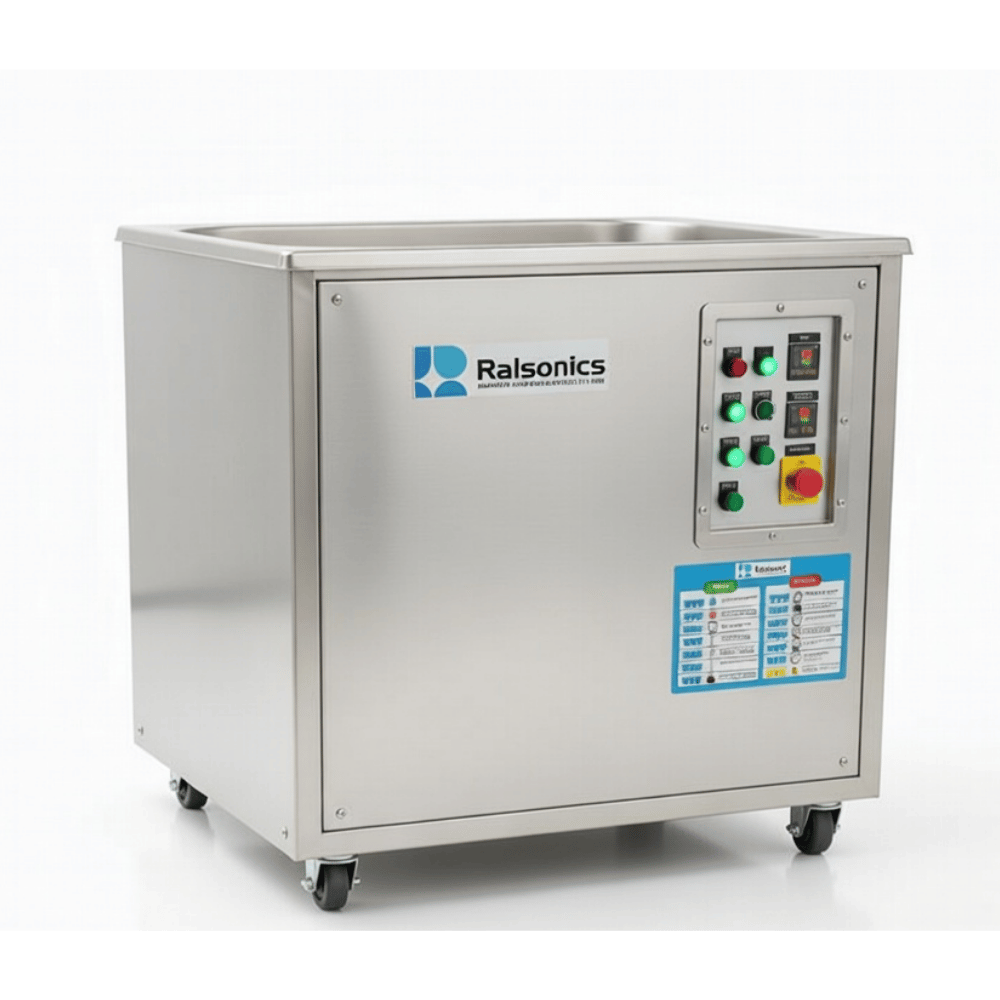
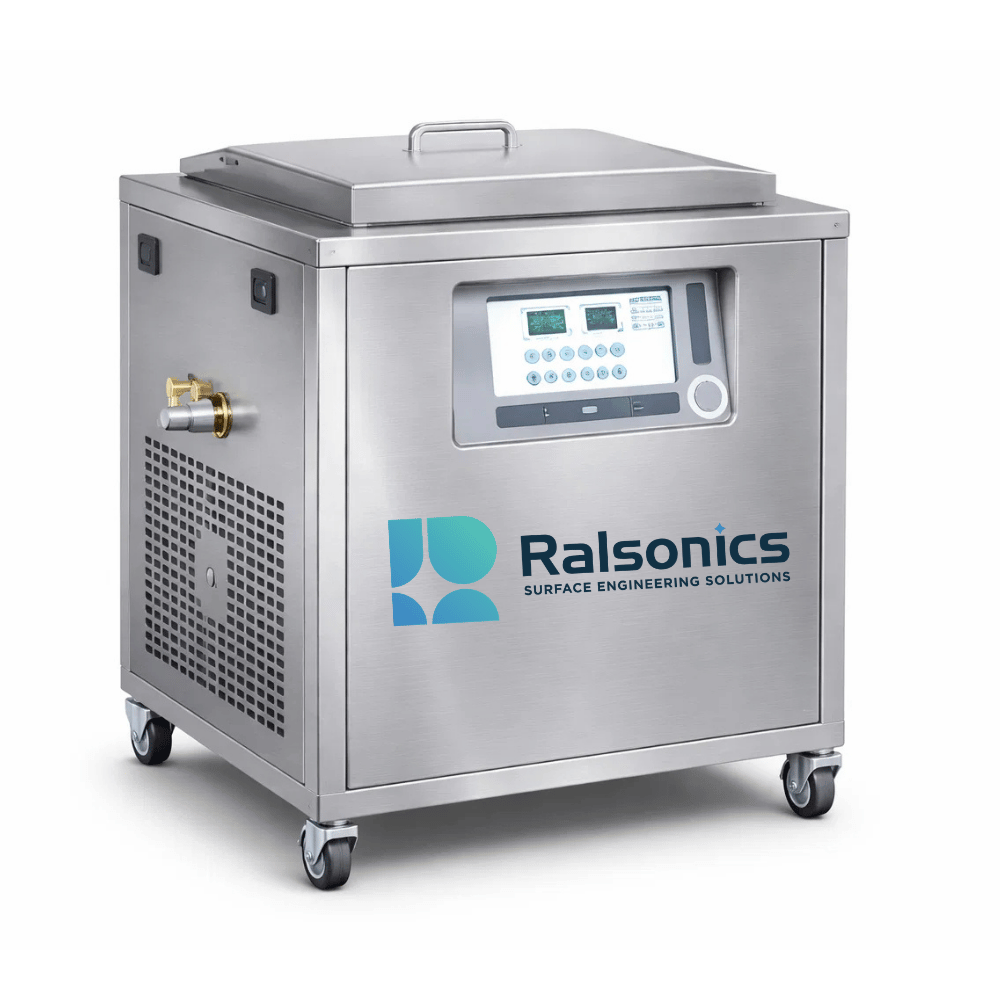
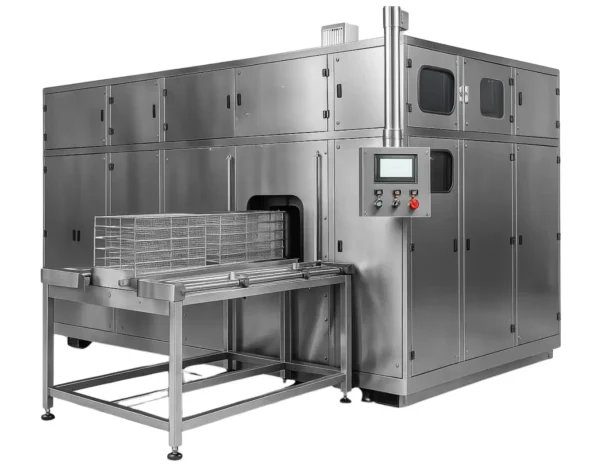
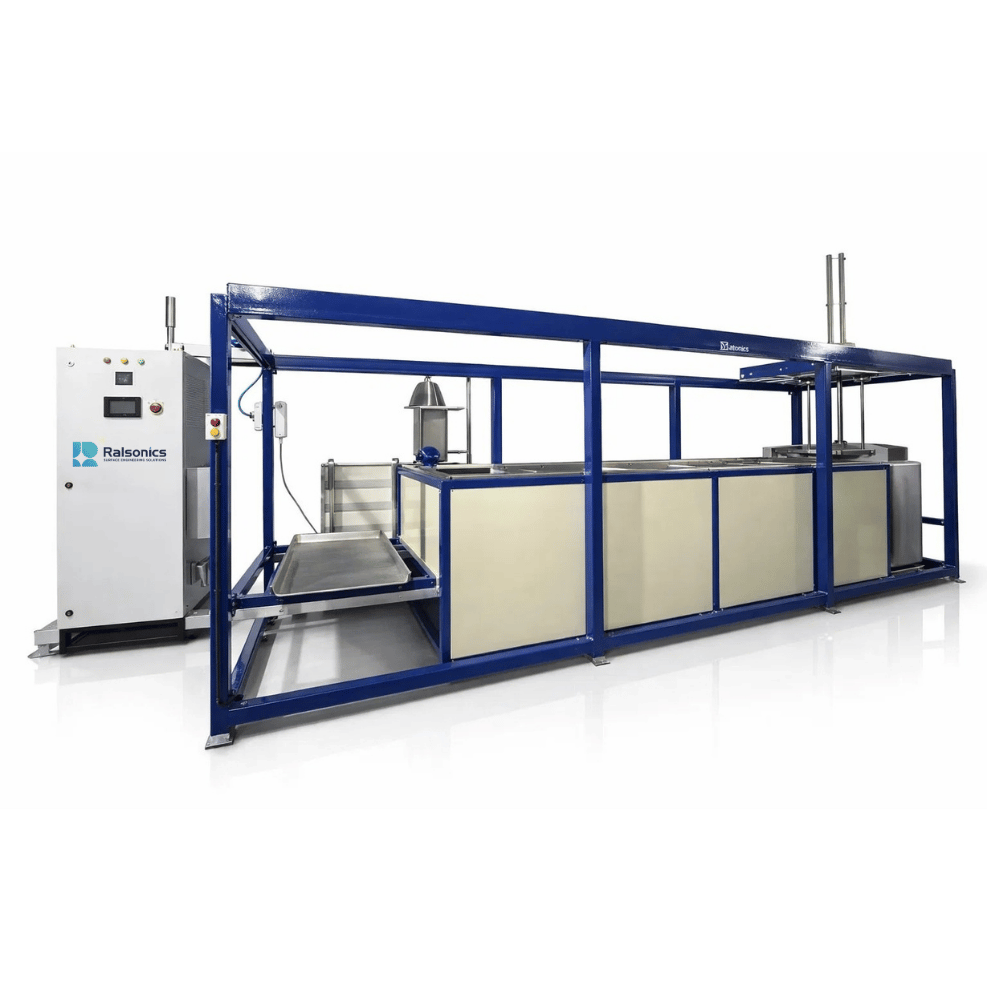
Ralsonics Spray Washers are engineered to deliver robust, repeatable cleaning for the toughest industrial soils — from heavy oil and grease to production slag and particulate contamination. Combining high-pressure spray, controlled temperature and biodegradable detergents in a stainless-steel, heavy-duty package, our washers give you fast cycle times, low running costs and production-grade reliability. Ideal for shop floors, production lines and maintenance bays where cleanliness impacts product quality, safety or downstream processing.

Contact our experts for more details.

Why Choose Ralsonics Spray Washer?

  • Designed for toughest soils: High-pressure sprays and heated detergents break down oils, carbon, waxes and bonded residues.
  • Built for industry: Robust stainless-steel construction resists corrosion and chemical exposure for long service life.
  • Process control: PLC control, adjustable pressure and temperature let you dial in repeatable, validated cycles for any part.
  • Low operating cost: Optimized pumps, efficient heaters and recirculation/filtration reduce water, detergent and energy consumption.
  • Operator safety & environment: Vapor extraction, automatic pneumatic doors and biodegradable detergents reduce exposure and environmental impact.

Core Components & Key Features

Construction & Hardware


  • Full stainless-steel body (SS304 / SS316L options) – Corrosion resistant, hygienic and easy to maintain.
  • Automatic pneumatic door – Secure, hands-free loading/unloading and improved cycle safety.
  • Motorized turntable / rotating fixtures – 360° Exposure to spray, uniform cleaning on complex geometries.
  • Multiple nozzle options – Fixed, oscillating, rotary or targeted jet nozzles to suit part geometry.


Process Control & Safety


  • PLC control with HMI – Program and store cleaning recipes (time, pressure, temperature, spray patterns).
  • Adjustable pressure settings (low → high) – Gentle cleaning for delicate parts or aggressive washing for heavy contamination.
  • Temperature control & heater – Heated wash stages (improves detergent action and reduces cycle time).
  • Vapor extraction & filtration – Fumes and solvent vapors removed and treated to maintain a safe workplace.
  • Emergency stop & safety interlocks – Meets industry safety expectations.


Performance & Options


  • High-efficiency pumps – Deliver stable, repeatable spray pressure.
  • Biodegradable detergent compatibility – Effective cleaning without harsh chemistry.
  • Recirculation & coarse filtration – Extends bath life, lowers waste and operating cost.
  • Optional accessories – Baskets, fixtures, automated loading, part drying (hot air / IR or vacuum), skid-mounted RO/DI rinse integration.

Typical Use Cases — When To Use a Spray Washer

Spray washers are the recommended solution when parts face heavy, adherent or distributed contamination and you need rapid throughput and reproducible cleanliness:


  • Heavy contamination – Caked grease, cutting oils, welding slag and baked-on residues.
  • Manufacturing facilities – Post-machining, stamping and assembly cleaning.
  • Printing & textile – Ink, sizing agents, and finishing residues.
  • Oil & gas / mining / metal fabrication – Degreasing and scale removal.
  • Recycling & waste equipment – Removing residues from reclaimed parts.
  • Agriculture & heavy equipment – Mud, grease and biological fouling removal.
  • Plastics, rubber and medical component prep – Cleaning before coating, bonding or sterilization.

Industries That Rely on Ralsonics Spray Washers

  • Manufacturing & General Engineering
  • Automotive suppliers & OEMs
  • Aerospace & Aviation maintenance and production
  • Electronics and PCB manufacturers (with gentle nozzle configurations)
  • Food processing & pharmaceutical equipment cleaning (with sanitary options)
  • Marine & Offshore maintenance yards
  • Medical device and healthcare component cleaning
  • Metal fabrication, die shops and foundries
  • Recycling & waste management operations

Typical Applications (by part / process)

  • Engine blocks, transmission parts, gears, bearings and fasteners
  • Welding and fabrication assemblies — removing slag and oxidation
  • Agricultural implements and hydraulic components
  • Plastics injection molded parts and extrusion dies
  • Printed circuit boards (final rinse/dry sequences with careful process control)
  • Glassware and lab equipment cleaning (with validated rinse cycles)
  • Pharmaceutical process components — cleaning prior to sterilization
  • Recovered/reworked parts in recycling workflows

Advantages & Business Impact

  • Faster throughput – Shorter cycles than manual or soak methods.
  • Consistent, auditable cleanliness – Recipe control ensures repeatability for quality systems.
  • Lower rework & rejects – Improved downstream adhesion, coating, assembly and functionality.
  • Reduced operator exposure – Automated doors, vapor extraction and closed cycles.
  • Sustainability gains – Recirculation, filtration and biodegradable detergents reduce waste.
  • Lower total cost of ownership – Durable materials, low maintenance and energy-efficient components.

Typical Technical Specifications (Example Configurations)

All items are customizable to your parts, throughput and plant utilities.


  • Cabinet construction: SS 304 (std) / SS 316L (optional)
  • Chamber size: Small (600×600×600 mm) → large (custom)
  • Turntable diameter: 300 mm → 1200 mm (motorized)
  • Pump rating: 1.5 kW → 15 kW (single or redundant)
  • Pressure range: 1 – 80 bar (adjustable by model)
  • Temperature range: Ambient → 90°C (heater controlled)
  • Nozzle types: Fixed, oscillating, rotating, high-impact jets
  • Control: PLC + HMI, recipe storage, alarms & logging
  • Filtration: Coarse and fine stages, oil skimmer optional
  • Drying: Integrated hot air / IR / vacuum drying options
  • Utility requirements: 415 V 3-phase typical, compressed air for pneumatics, drain and venting

Installation, Validation & Service

  • Site consultation & custom design – We size and spec the washer to match parts, throughput and floor space.
  • Installation & commissioning – Full on-site installation, startup and operator training.
  • Validation support – Cycle validation protocols for regulated industries (food, pharma, medical).
  • Service & spare parts – Preventive maintenance packages, spare parts kits and global technical support.

When To Use It

Heavy Contamination

Manufacturing Facilities

Printing Industry

Oil and Gas Facilities

Recycling Facilities

Agriculture

Textile and Apparel Industry

Metal Fabrication

Plastics and Rubber Manufacturing

Mining

Key Features

Stainless Steel Body

Automatic Pneumatic Door

Vapor Extraction

PLC Controls

Motorized Turn Table

Spray Nozzles

Heater

Adjustable Pressure Settings

Multiple Nozzle Options

Temperature Control

“FAQs”

FAQ Accordion
Q1. What soils can a Ralsonics Spray Washer remove?

Heavy oils, greases, cutting fluids, welding slag, paint overspray residues, dust and particulate, inks and biological debris — depending on nozzle setup and detergent.

Q2. Can I clean delicate parts (PCBs, optics) in a spray washer?

Yes — with low-pressure nozzles, appropriate detergents, controlled temperatures and validated rinse/dry stages. We recommend specific configurations for sensitive parts.

Q3. What detergents do you recommend?

We supply and specify biodegradable, industry-approved detergents matched to the contaminant (alkaline for oils, neutral cleaners for delicate parts). Final selection depends on material compatibility.

Q4. Can the system be integrated into my production line?

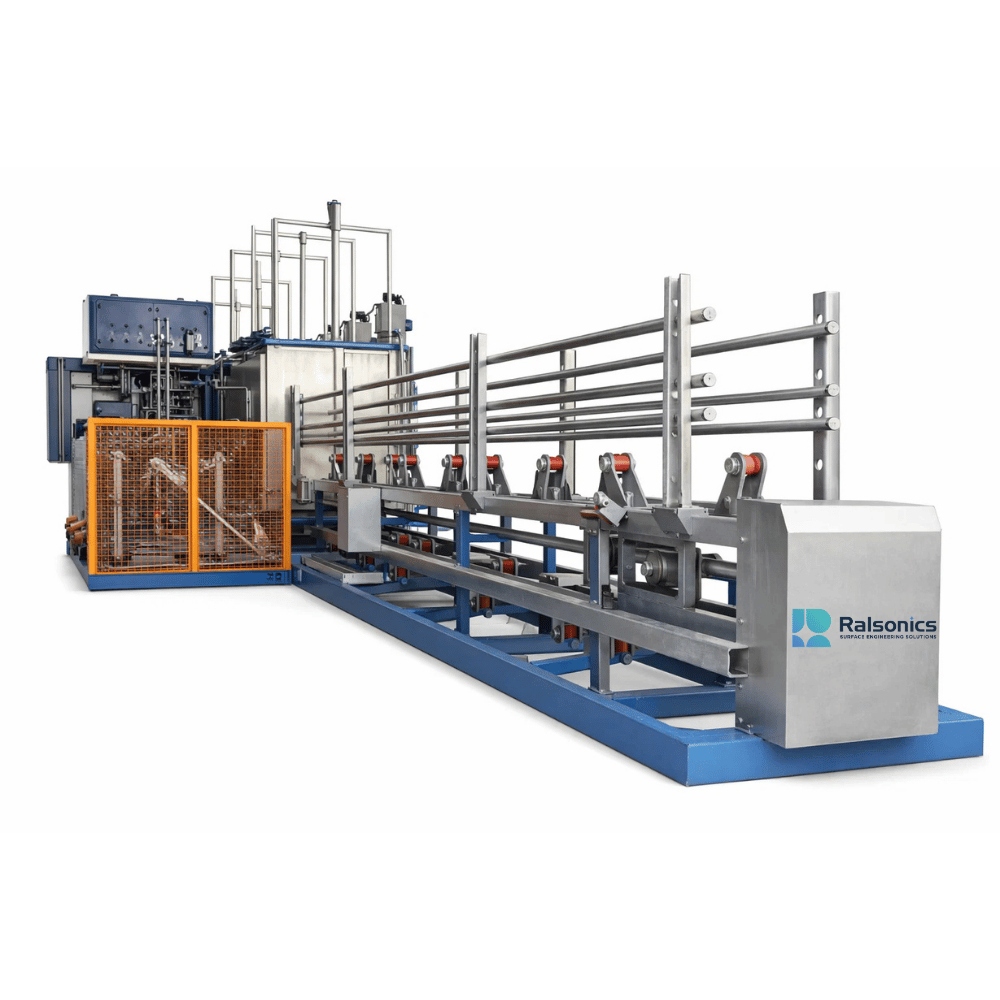
Yes, conveyorized models and robotic loading/unloading can be supplied to integrate seamlessly with existing automation.

Blogs

Feel free to contact us for more details!